
Contents
Overview
Advanced hydroponic systems are sophisticated, technology-driven methods of growing plants without soil, utilizing water-based mineral nutrient solutions in controlled environments. These systems have gained popularity worldwide due to their potential for increased crop yields, water conservation, and reduced environmental impact. With the integration of artificial intelligence, IoT sensors, and precision agriculture, advanced hydroponic systems are redefining the future of horticulture. According to some sources, the top five countries for hydroponic production are the United States, China, Japan, Canada, and the Netherlands. Key players in the industry, such as Hydrofarm and General Hydroponics, are driving innovation and adoption. The use of advanced hydroponic systems is not limited to commercial farming; it also has applications in urban agriculture, vertical farming, and home gardening, with companies like Bright Agrotech and Aerofarms leading the charge.
Origins & History
The development of hydroponics has been shaped by the work of various individuals and organizations. Companies like ZipGrow and Bright Agrotech are pushing the boundaries of hydroponic innovation.
How It Works
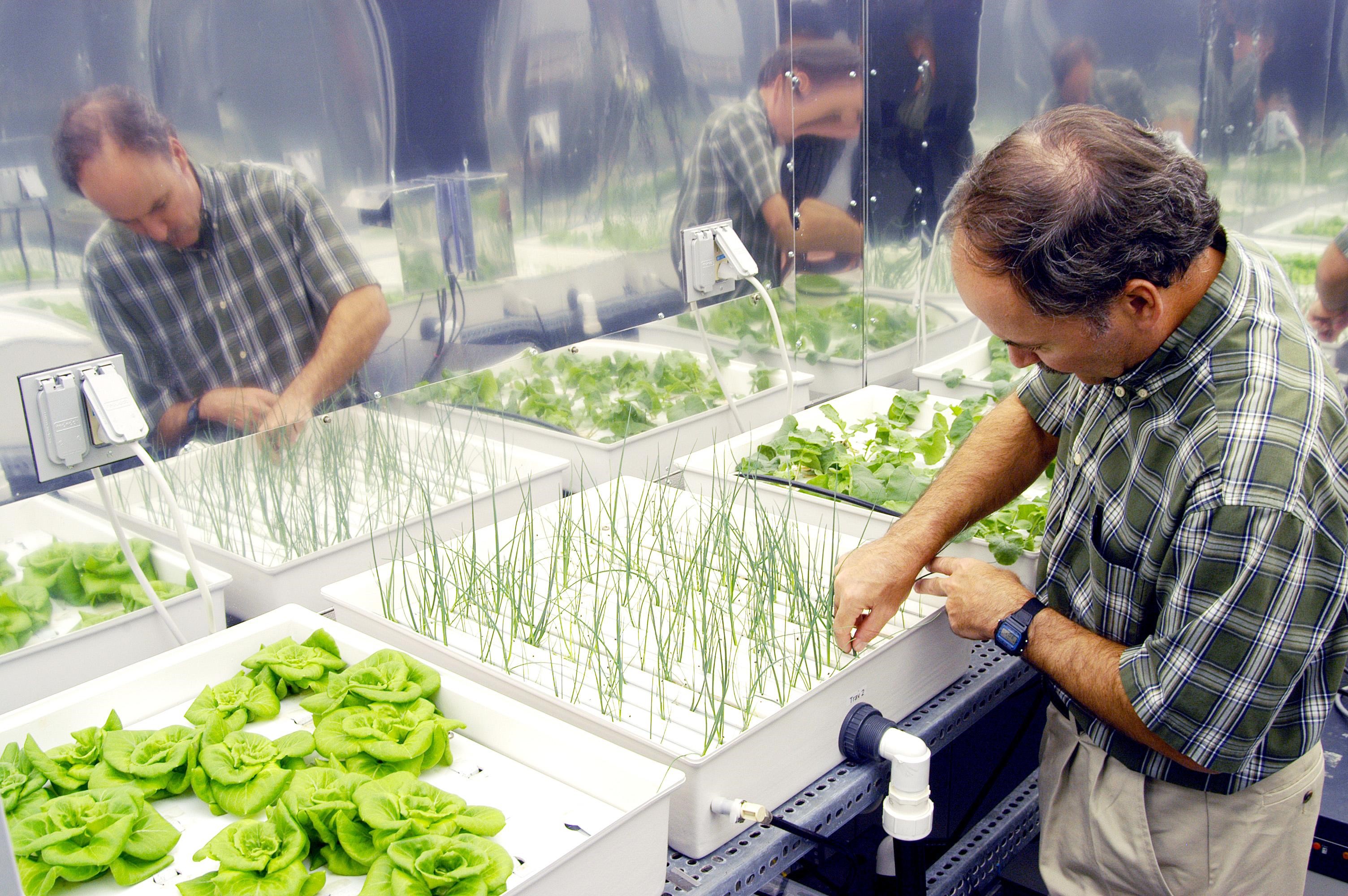
Advanced hydroponic systems utilize a combination of technologies, including LED grow lights, climate control systems, and precision irrigation. These systems can be categorized into several types, including NFT, ebb-and-flow, and drip irrigation. The choice of system depends on factors such as crop type, climate, and available resources. For example, Aeroponic systems use a fine mist to deliver nutrients to the roots, while hydroponic drip irrigation systems use a network of tubes to deliver nutrients directly to the roots. Companies like General Hydroponics and Hydrofarm offer a range of hydroponic systems and accessories for different applications.
Key Facts & Numbers
The top five countries for hydroponic production are reportedly the United States, China, Japan, Canada, and the Netherlands. Hydroponic systems can be used to grow a variety of crops, and have applications in urban agriculture, vertical farming, and home gardening.
Key People & Organizations
Key figures in the field of hydroponics include William Gericke and Alan Cooper, who have made significant contributions to the development of hydroponic systems. Companies like Hydrofarm and Aerofarms are leading the charge in advanced hydroponic systems, with innovative products and services that are changing the face of agriculture.
Cultural Impact & Influence
The use of advanced hydroponic systems has had a significant impact on the way we produce and consume food. With the ability to grow crops in controlled environments, hydroponics has opened up new possibilities for urban agriculture and vertical farming. The use of hydroponics has also been featured in various media outlets, including documentaries, TV shows, and films. For example, the documentary The Future of Food explores the potential of hydroponics to address global food security challenges.
Current State & Latest Developments
The current state of advanced hydroponic systems is one of rapid innovation and adoption. Companies like Aerofarms and Hydrofarm are expanding their operations and introducing new products and services. The use of artificial intelligence and IoT sensors is becoming increasingly common in hydroponic systems, allowing for greater precision and control.
Controversies & Debates
One of the main controversies surrounding advanced hydroponic systems is the high energy consumption required to power the systems. Critics argue that the use of LED grow lights and climate control systems can have a significant impact on the environment, particularly in terms of greenhouse gas emissions. Another controversy is the use of genetically modified organisms (GMOs) in hydroponic systems, with some arguing that GMOs can have unintended consequences on human health and the environment.
Future Outlook & Predictions
The future of advanced hydroponic systems is expected to be shaped by technological innovations, such as the use of artificial intelligence and IoT sensors. Experts predict that the use of hydroponics will continue to grow, with applications in urban agriculture, vertical farming, and home gardening.
Practical Applications
Advanced hydroponic systems have a wide range of practical applications, from commercial farming to home gardening. Hydroponics can be used to grow a variety of crops, including leafy greens, tomatoes, and cucumbers. The use of hydroponics can also be used to produce medicinal plants, such as cannabis and hemp.
Key Facts
- Category
- hydroponics-tech
- Type
- concept