
Contents
Overview
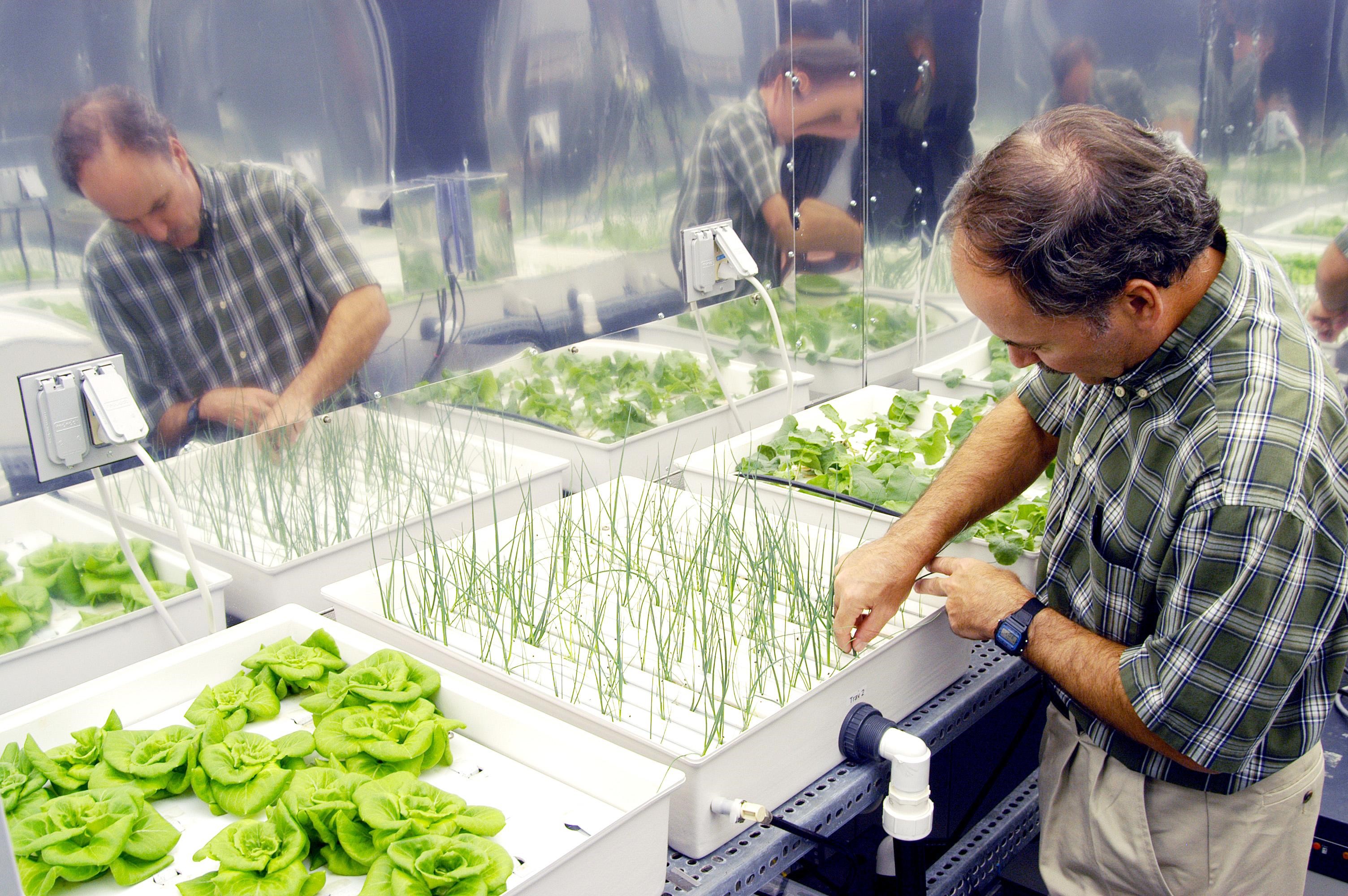
Setting up a hydroponic tank requires careful planning and attention to detail. General Hydroponics offers a range of nutrient solutions specifically designed for hydroponic systems. Botanicare provides a variety of growing mediums and accessories. NFT hydroponics is a popular choice for leafy greens and herbs, while Ebb and Flow hydroponics is better suited for larger plants like tomatoes and cucumbers. The tank should be large enough to hold the roots of the plants, the pump should be powerful enough to handle the volume of the tank, and the nutrient solution should be carefully balanced to provide the right amount of nutrients. Monitoring the pH and nutrient levels of the solution is crucial for maintaining the system, and the system should be cleaned regularly to prevent the buildup of bacteria and other microorganisms.
Introduction to Hydroponics
Introduction to Hydroponics — General Hydroponics offers a range of nutrient solutions specifically designed for hydroponic systems. Botanicare provides a variety of growing mediums and accessories. NFT hydroponics is a popular choice for leafy greens and herbs, while Ebb and Flow hydroponics is better suited for larger plants like tomatoes and cucumbers.
Choosing the Right Hydroponic System
Choosing the Right Hydroponic System — NFT hydroponics is a popular choice for leafy greens and herbs, while Ebb and Flow hydroponics is better suited for larger plants like tomatoes and cucumbers.
Key Components of a Hydroponic Tank
Key Components of a Hydroponic Tank — The tank should be large enough to hold the roots of the plants, the pump should be powerful enough to handle the volume of the tank, and the nutrient solution should be carefully balanced to provide the right amount of nutrients.
Setting Up the Tank
Setting Up the Tank — The tank should be filled with a growing medium, and the plants should be placed in the tank. The pump should be connected to the tank, and the nutrient solution should be added.
Maintaining the System
Maintaining the System — Monitoring the pH and nutrient levels of the solution is crucial for maintaining the system, and the system should be cleaned regularly to prevent the buildup of bacteria and other microorganisms.
Troubleshooting Common Issues
Troubleshooting Common Issues — pH imbalances, nutrient deficiencies, and root rot are common issues in hydroponic systems.
Optimizing the System for Maximum Yield
Optimizing the System for Maximum Yield — According to some sources, optimizing the system for maximum yield may involve adjusting various parameters, but the specifics of this process are not well-established.
Advanced Techniques for Hydroponic Growing
Advanced Techniques for Hydroponic Growing — Reportedly, advanced techniques such as CO2 supplementation and LED grow lights can be used to improve hydroponic growing, but more research is needed to confirm their effectiveness.
Conclusion and Further Reading
Conclusion and Further Reading — Setting up a hydroponic tank requires careful planning and attention to detail. By following the guidelines outlined in this article, growers can create a thriving hydroponic system.
Key Facts
- Category
- setup-guides
- Type
- concept