
Contents
- 🎵 Origins & History
- ⚙️ How It Works
- 📊 Key Facts & Numbers
- 👥 Key People & Organizations
- 🌍 Cultural Impact & Influence
- ⚡ Current State & Latest Developments
- 🤔 Controversies & Debates
- 🔮 Future Outlook & Predictions
- 💡 Practical Applications
- 📚 Related Topics & Deeper Reading
- Frequently Asked Questions
- References
- Related Topics
Overview
Origins paragraph — Hydroponics has its roots in ancient civilizations, with the earliest recorded use of hydroponic systems dating back to the Aztecs and reportedly the Hanging Gardens of Babylon. The modern concept of hydroponics was first introduced by John Woodward in the 17th century, who discovered that plants could thrive in water-based solutions. The development of hydroponics as we know it today began to take shape in the early 20th century, with the work of William F. Gericke, who was involved in the development of the term 'hydroponics'. Gericke's work was influenced by the research of Justus von Liebig, a German chemist who developed the concept of mineral nutrient solutions.
⚙️ How It Works
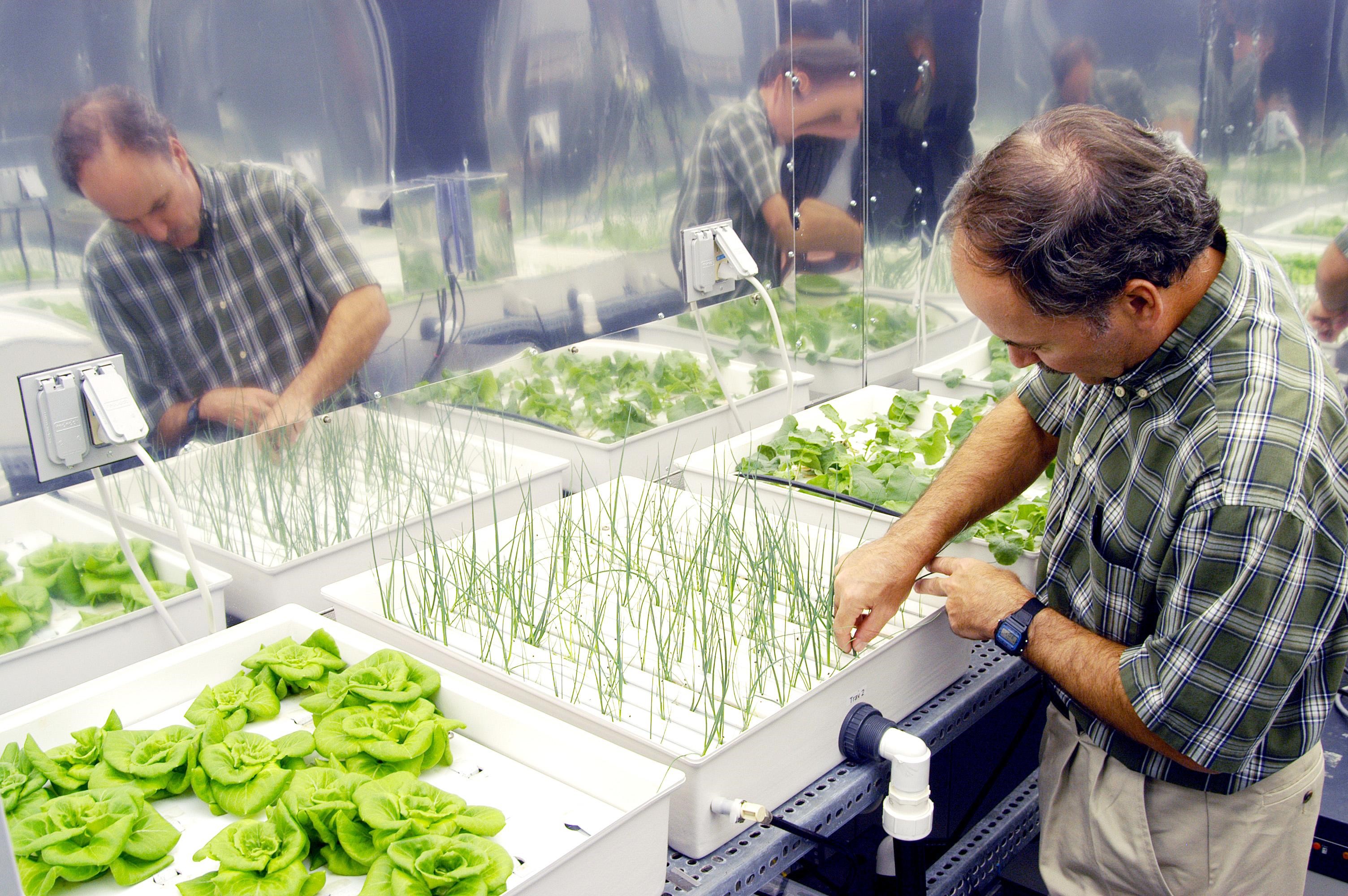
How it works — Hydroponic systems work by providing plants with the necessary nutrients, water, and oxygen to grow, without the need for soil. The most common types of hydroponic systems include Nutrient Film Technique (NFT), Ebb and Flow (Flood and Drain), and Drip Irrigation. These systems use a variety of mediums, such as perlite, rockwool, and coconut coir, to support plant growth. For example, Bright Agrotech uses a combination of NFT and drip irrigation in their hydroponic systems.
📊 Key Facts & Numbers
Key facts — Hydroponic systems can increase crop yields by up to 30% while using 90% less water than traditional farming methods. Hydroponics can also reduce the carbon footprint of farming by up to 50%. According to some sources, the use of hydroponics has been adopted by companies like Plenty Ag and Bowery Farming, which are leading the charge in the development of hydroponic technology.
👥 Key People & Organizations
Key people — Notable figures in the hydroponics industry include Dick Sonnefeld, who developed one of the first commercial hydroponic systems, and Dr. Howard Resh, who has written extensively on the subject of hydroponics. Companies like Plenty Ag and Bright Agrotech are also leading the charge in the development of hydroponic technology.
🌍 Cultural Impact & Influence
Cultural impact — Hydroponics has had a significant impact on the way we think about food production and sustainability. With the increasing demand for organic and locally grown produce, hydroponics has become a vital component of modern agriculture. According to some sources, a significant percentage of consumers are willing to pay more for produce that is grown using sustainable methods.
⚡ Current State & Latest Developments
Current state — The hydroponics industry is experiencing rapid growth, with new companies and technologies emerging every year. The use of artificial intelligence and Internet of Things (IoT)-enabled sensors is becoming increasingly common in hydroponic systems, allowing for greater precision and control over the growing process.
🤔 Controversies & Debates
Controversies — One of the main controversies surrounding hydroponics is the use of genetically modified organisms (GMOs). Some argue that the use of GMOs in hydroponics can have unintended consequences on the environment and human health. Others argue that GMOs can be a valuable tool in increasing crop yields and reducing the environmental impact of farming.
🔮 Future Outlook & Predictions
Future outlook — The future of hydroponics looks bright, with the industry expected to continue growing. As the demand for sustainable and locally grown produce continues to increase, hydroponics is likely to play an increasingly important role in the future of agriculture.
💡 Practical Applications
Practical applications — Hydroponics has a wide range of practical applications, from small-scale home gardens to large-scale commercial farms. Hydroponics can be used to grow a wide variety of crops, including tomatoes, cucumbers, and lettuce.
Key Facts
- Year
- 2024
- Origin
- Global
- Category
- hydroponics-tech
- Type
- concept
Frequently Asked Questions
What is hydroponics?
Hydroponics is a type of horticulture that involves growing plants in water-based mineral nutrient solutions, without the use of soil. According to the Food and Agriculture Organization, hydroponics can increase crop yields by up to 30% while using 90% less water than traditional farming methods.
What are the benefits of hydroponics?
The benefits of hydroponics include increased crop yields, reduced water consumption, and minimized environmental impact. Hydroponics can also reduce the carbon footprint of farming by up to 50%.