
Contents
Overview
Hydroponic tank filtration systems are designed to maintain optimal water quality and nutrient balance in hydroponic systems, ensuring healthy plant growth and maximizing crop yields. These systems typically consist of a combination of mechanical, biological, and chemical filtration methods, which work together to remove waste products, excess nutrients, and other contaminants from the water. Dr. Lynette Morgan, a leading expert in hydroponics, notes that 'a good filtration system is essential for maintaining a healthy and balanced hydroponic ecosystem'. With the importance of effective filtration systems growing, companies like General Hydroponics are reportedly working to advance the field of hydroponics and improve the efficiency and effectiveness of hydroponic tank filtration systems.
🎵 Origins & History
Dr. William F. Gericke began experimenting with soilless cultivation methods. Today, hydroponic tank filtration systems are a crucial component of modern hydroponic systems.
⚙️ How It Works
Hydroponic tank filtration systems typically consist of a combination of mechanical, biological, and chemical filtration methods, which work together to remove waste products, excess nutrients, and other contaminants from the water. Mechanical filtration methods, such as sedimentation and filtration, remove particulate matter and other suspended solids from the water. Biological filtration methods, such as bio-filtration, use beneficial microorganisms to break down organic matter and convert ammonia into nitrate. Chemical filtration methods, such as activated carbon and reverse osmosis, remove dissolved solids and other impurities from the water.
📊 Key Facts & Numbers
Hydroponic systems using advanced filtration methods can reduce water usage by up to 90% compared to traditional soil-based cultivation methods. The average cost of a hydroponic tank filtration system can range from $500 to $5,000, depending on the size and complexity of the system.
👥 Key People & Organizations
Dr. Lynette Morgan is a leading expert in hydroponics. General Hydroponics is a well-known company in the hydroponics industry.
🌍 Cultural Impact & Influence
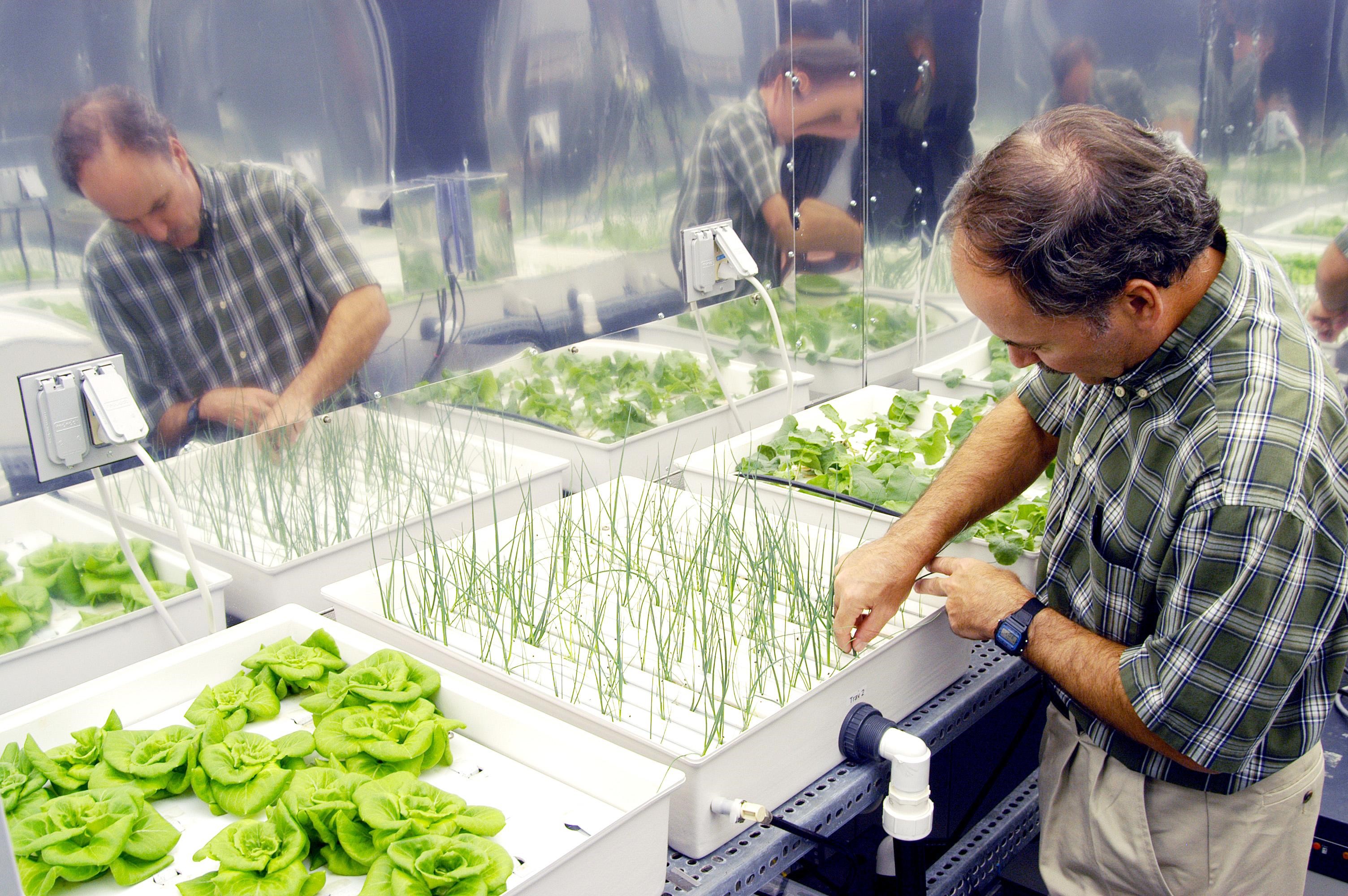
Hydroponic tank filtration systems have had a significant impact on the way we grow crops and produce food, with many commercial farms and greenhouses adopting hydroponic systems to increase efficiency and reduce environmental impact. The use of hydroponic systems has also influenced the development of new technologies, such as aeroponics and aquaponics. NASA has used hydroponic systems to grow crops in space.
⚡ Current State & Latest Developments
Hydroponic tank filtration systems have a wide range of practical applications, from small-scale home gardens to large-scale commercial farms. They are used to grow a variety of crops, including leafy greens, tomatoes, and cucumbers.
🤔 Controversies & Debates
Hydroponic tank filtration systems are closely related to other topics in the field of hydroponics, such as hydroponic nutrients and hydroponic systems. They are also related to topics in the field of agriculture, such as sustainable agriculture and organic farming. For further reading, see hydroponics and aquaponics.
Key Facts
- Category
- hydroponics-tech
- Type
- technology