
Contents
Overview
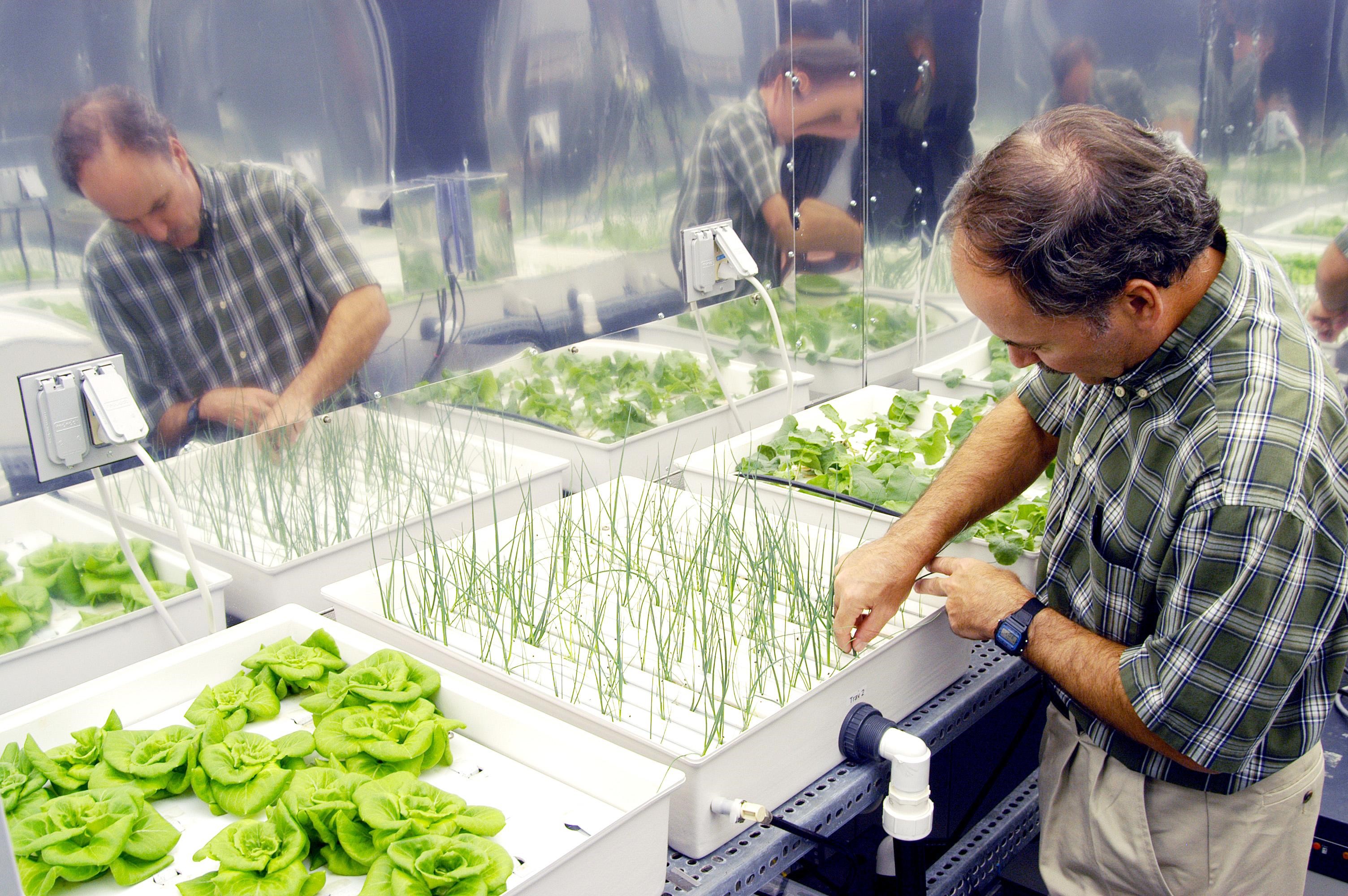
Hydroponic tank types refer to the different designs and configurations of tanks used in hydroponic systems, which involve growing plants in a soilless medium with nutrient-rich water. The various types of hydroponic tanks include NFT (Nutrient Film Technique) systems, DWC (Deep Water Culture) systems, Ebb and Flow systems, and Aeroponic systems. Each type of tank has its own unique characteristics, advantages, and disadvantages. The Asia-Pacific region is expected to dominate the hydroponics market. The most common crops grown using hydroponics include lettuce, tomatoes, and cucumbers. The use of LED grow lights has become increasingly popular in hydroponic systems.
🎵 Origins & History
Origins paragraph — The history of hydroponics is not well-documented, but it is reportedly an ancient practice. Today, hydroponics is used globally.
⚙️ How It Works
How it works — Hydroponic tank systems work by providing plants with the necessary nutrients, water, and oxygen to grow, without the need for soil. The most common types of hydroponic tanks include NFT systems, which use long, narrow channels to deliver nutrients to the roots of plants, and DWC systems, which use a deep water culture to provide plants with a constant supply of nutrients. Other types of hydroponic tanks include Ebb and Flow systems, which use a flood and drain method to deliver nutrients, and Aeroponic systems, which use a fine mist to deliver nutrients to the roots of plants.
📊 Key Facts & Numbers
Key facts — The Asia-Pacific region is expected to dominate the hydroponics market. The most common crops grown using hydroponics include lettuce, tomatoes, and cucumbers.
👥 Key People & Organizations
Key people — There are reportedly several experts and researchers in the field of hydroponics, but their names and contributions are not well-documented.
🌍 Cultural Impact & Influence
Cultural impact — Hydroponics has had a significant impact on the way we grow and produce food, with many countries adopting hydroponic systems as a way to increase crop yields.
⚡ Current State & Latest Developments
Current state — The current state of hydroponics is one of innovation, with new technologies and products emerging all the time. The use of LED grow lights has become increasingly popular in hydroponic systems, as they provide a more energy-efficient and cost-effective way to provide plants with the light they need to grow.
🤔 Controversies & Debates
Controversies — One of the main controversies surrounding hydroponics is the use of chemical fertilizers and nutrients, which can have a negative impact on the environment. Many hydroponic systems also rely on non-renewable energy sources, which can contribute to climate change.
🔮 Future Outlook & Predictions
Future outlook — The future of hydroponics is uncertain, but it reportedly has the potential to play a major role in the future of food production.
💡 Practical Applications
Practical applications — Hydroponics has many practical applications, from small-scale home gardens to large-scale commercial farms. Hydroponics can be used to grow a wide range of crops.
Key Facts
- Category
- tank-types
- Type
- topic