
Contents
- Introduction to Hydroponic Tanks and Soil Gardening
- Key Differences Between Hydroponic Tanks and Soil Gardening
- Advantages of Hydroponic Tanks
- Disadvantages of Hydroponic Tanks
- Advantages of Soil Gardening
- Disadvantages of Soil Gardening
- Current State and Future Developments
- Practical Applications and Case Studies
- Related Topics and Further Reading
- References
Overview
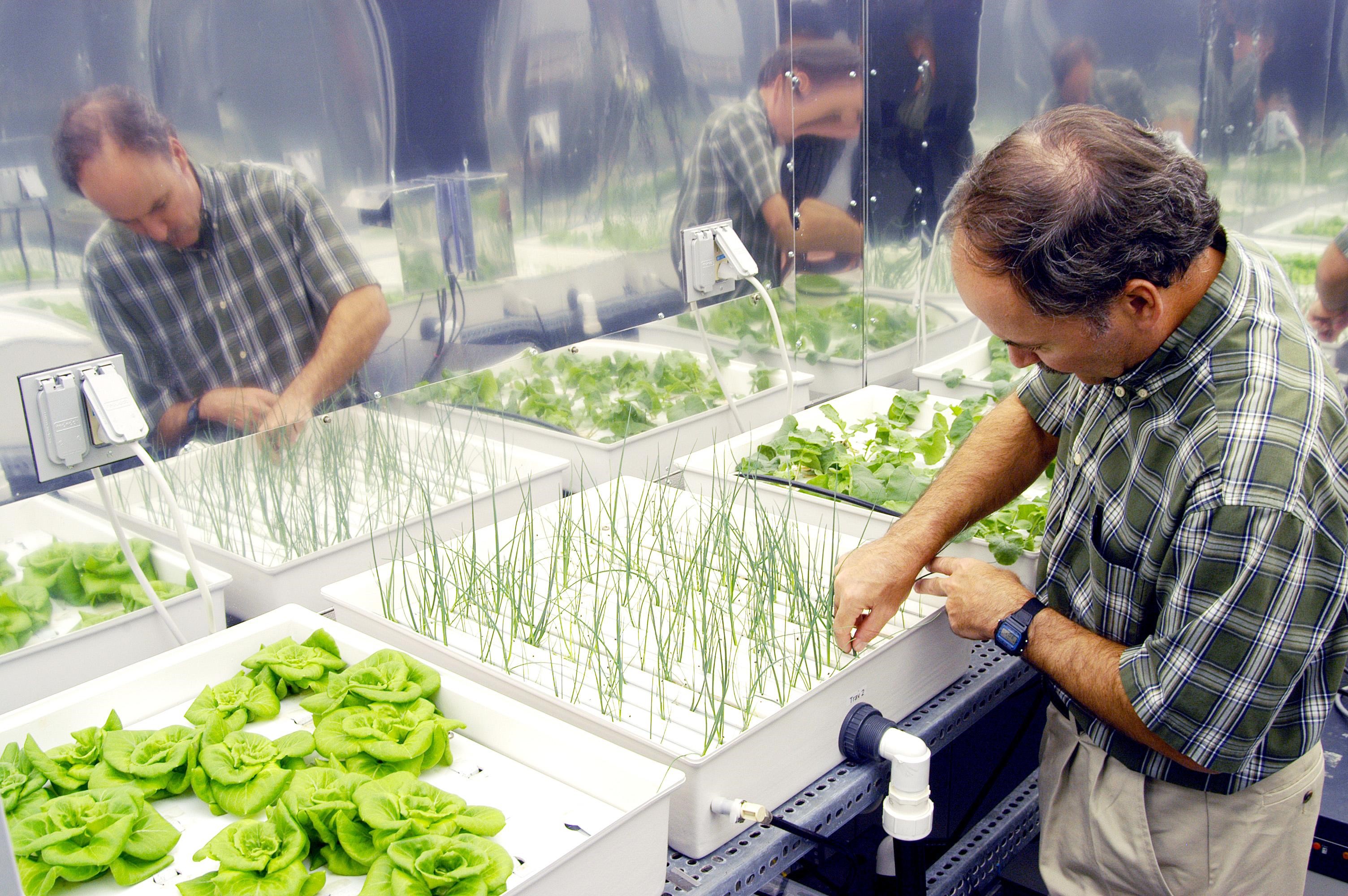
Hydroponic tanks and soil gardening are two distinct methods of growing plants, each with its own set of advantages and disadvantages. Hydroponics involves growing plants in a water-based mineral nutrient solution. With the rise of hydroponics and urban agriculture, many gardeners are now considering the benefits of hydroponic tanks over traditional soil gardening. In this article, we will explore the key differences between hydroponic tanks and soil gardening, including their respective advantages, disadvantages, and applications. From the NFT hydroponics system to the DWC hydroponics system, we will delve into the world of hydroponic tanks and compare them to traditional soil gardening methods.
Introduction to Hydroponic Tanks and Soil Gardening
Introduction to Hydroponic Tanks and Soil Gardening — Hydroponic tanks and soil gardening are two distinct methods of growing plants, each with its own set of advantages and disadvantages. Hydroponics involves growing plants in a water-based mineral nutrient solution. The history of hydroponics reportedly dates back to the 17th century, when John Woodward discovered that plants could thrive in water-based solutions. According to some sources, hydroponics has evolved to become a popular method of gardening.
Key Differences Between Hydroponic Tanks and Soil Gardening
Key Differences Between Hydroponic Tanks and Soil Gardening — One of the main differences between hydroponic tanks and soil gardening is the medium used to grow plants. Hydroponic tanks use a water-based mineral nutrient solution. Soil gardening is often more unpredictable, with factors such as soil quality, weather, and pests affecting the growth of plants.
Advantages of Hydroponic Tanks
Advantages of Hydroponic Tanks — Hydroponic tanks offer a number of advantages over traditional soil gardening, including increased crop yields and improved plant growth. Hydroponic tanks can be used to grow a wide range of crops, from leafy greens to tomatoes and cucumbers. With the help of hydroponic nutrients and other specialized products, gardeners can optimize their hydroponic tank systems for maximum growth and productivity.
Disadvantages of Hydroponic Tanks
Disadvantages of Hydroponic Tanks — Despite the many advantages of hydroponic tanks, there are also some disadvantages to consider. One of the main disadvantages is the high initial cost of setting up a hydroponic tank system. Additionally, hydroponic tanks require a significant amount of maintenance and monitoring, with gardeners needing to regularly check and adjust the nutrient levels, pH, and temperature of the solution.
Advantages of Soil Gardening
Advantages of Soil Gardening — Soil gardening offers a number of advantages over hydroponic tanks, including lower initial costs and greater flexibility. Soil gardening also allows gardeners to grow a wide range of crops, from fruits and vegetables to herbs and flowers. Additionally, soil gardening can be a more sustainable and environmentally friendly option, with gardeners able to use natural and organic methods to cultivate their plants.
Disadvantages of Soil Gardening
Disadvantages of Soil Gardening — Despite the many advantages of soil gardening, there are also some disadvantages to consider. One of the main disadvantages is the limited control and precision that soil gardening offers, with gardeners often having to rely on trial and error to optimize their growing conditions. Additionally, soil gardening can be more labor-intensive, with gardeners needing to regularly water, fertilize, and prune their plants.
Current State and Future Developments
Current State and Future Developments — The current state of hydroponic tanks and soil gardening is one of rapid innovation and growth, with new technologies and products being developed all the time. There is a growing trend towards urban agriculture, with many gardeners using various methods to grow their own food in urban areas.
Practical Applications and Case Studies
Practical Applications and Case Studies — Hydroponic tanks and soil gardening have a wide range of practical applications, from commercial farming to home gardening. Companies are using various methods to grow a wide range of crops, from leafy greens to tomatoes and cucumbers.
Key Facts
- Category
- hydroponics-tech
- Type
- concept