
Contents
Overview
Origins paragraph — Hydroponics has a rich history, dating back to the ancient civilizations of Babylon and Egypt. The word 'hydroponics' was first coined by William F. Gericke, reportedly in 1937. Gericke, a professor at the University of California, Berkeley, experimented with growing plants in a solution of water and nutrients, rather than soil. His work laid the foundation for modern hydroponics. Today, hydroponics is used in a variety of settings, from small indoor gardens to large commercial farms. For example, AeroFarms uses hydroponics to grow a wide range of crops, including leafy greens and herbs.
How It Works
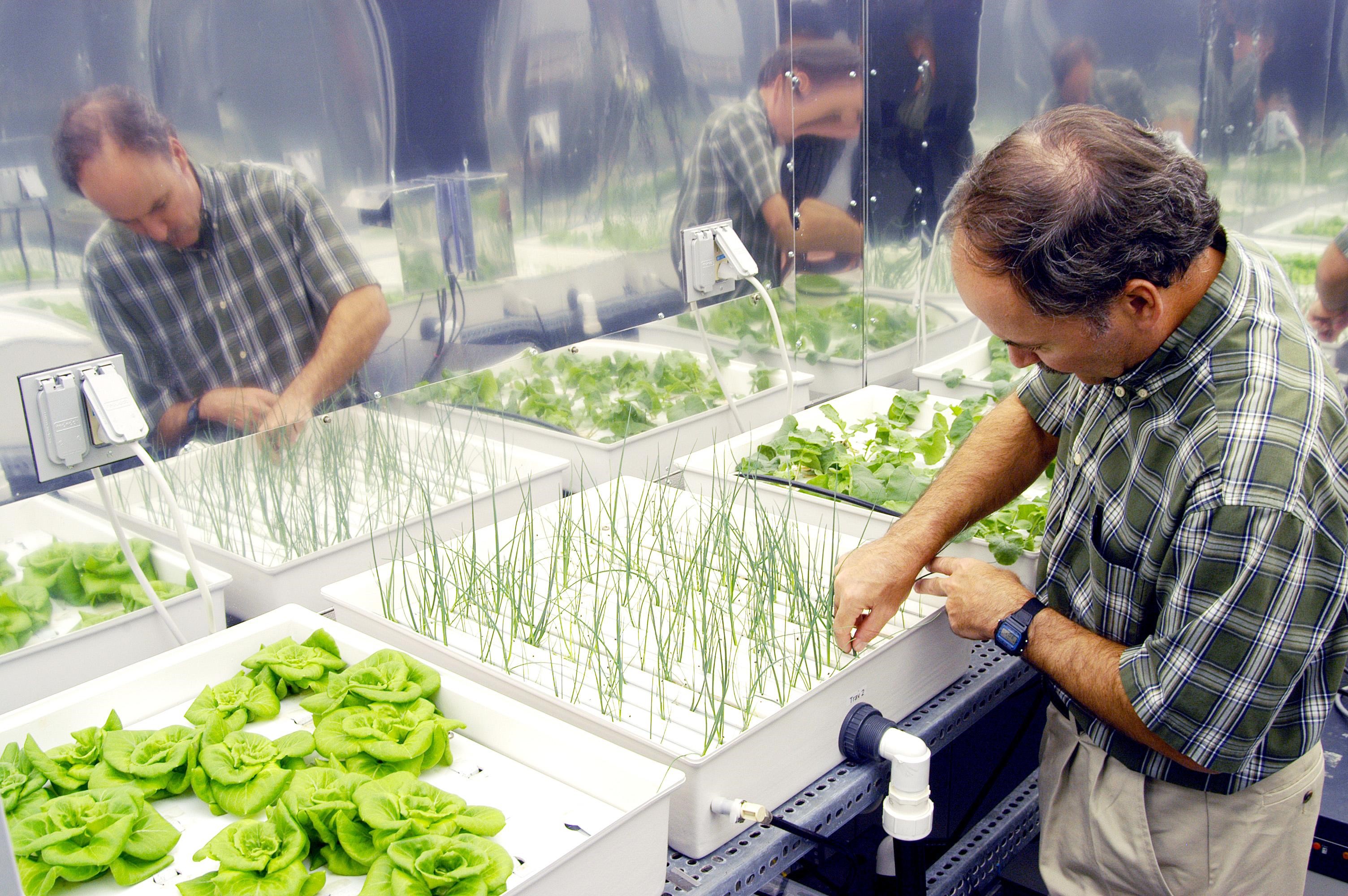
How it works — Hydroponics involves growing plants in a controlled environment, using a water-based mineral nutrient solution rather than soil. The plants are typically supported by an inert medium, such as perlite or gravel, which provides a stable root system. The nutrient solution is pumped through the system, providing the plants with the necessary nutrients for growth. This method allows for maximum control over the growing conditions, resulting in increased yields and improved crop quality. Companies like Bright Agrotech specialize in designing and manufacturing hydroponic systems for small-scale farmers and home gardeners.
Key Facts & Numbers
Key facts — Hydroponics is a highly efficient method of growing plants, using up to 90% less water than traditional farming methods. Hydroponics can increase crop yields by up to 30%. The global hydroponics market is expected to grow to $5.5 billion by 2025. Hydroponics is also a sustainable method of farming, reducing the need for pesticides and fertilizers. For example, Hydrofarm offers a range of products that help farmers reduce their environmental impact.
Key People & Organizations
Key people — William F. Gericke is often credited with coining the term 'hydroponics' and is considered one of the pioneers of modern hydroponics. Other notable figures in the field of hydroponics include Dick Sonnefeld, a renowned hydroponic researcher, and Daniel Maskell, a leading expert in hydroponic systems design. Companies like General Hydroponics and Botanicare are also major players in the hydroponics industry.
Cultural Impact & Influence
Cultural impact — Hydroponics has had a significant impact on the way we grow and produce food. With the increasing demand for sustainable and efficient farming practices, hydroponics is becoming an attractive option for farmers and gardeners alike. Hydroponics has also been used in a variety of applications, from space exploration to urban agriculture. For example, NASA has used hydroponics to grow crops in space, while companies like Urban Farmers are using hydroponics to create sustainable urban farms.
Current State & Latest Developments
Current state — The current state of hydroponics is one of rapid growth and development. With the increasing demand for sustainable and efficient farming practices, hydroponics is becoming an attractive option for farmers and gardeners alike. New technologies and innovations are being developed, such as LED grow lights and automated hydroponic systems. Companies like Illumitex and American Hydroponics are leading the way in these developments.
Controversies & Debates
Controversies — One of the main controversies surrounding hydroponics is the use of chemical fertilizers and pesticides. Some critics argue that hydroponics is not a sustainable method of farming, as it relies on non-renewable resources and can have negative environmental impacts. However, many hydroponic farmers and researchers argue that hydroponics can be a highly sustainable method of farming, using natural and organic methods to control pests and diseases. For example, John Paul Urban Farm uses organic and sustainable methods to grow a wide range of crops.
Future Outlook & Predictions
Future outlook — The future of hydroponics is bright, with the global market expected to grow to $5.5 billion by 2025. New technologies and innovations are being developed, such as vertical farming and automated hydroponic systems. Hydroponics is also becoming an attractive option for space exploration, with NASA using hydroponics to grow crops in space. Companies like Aeroponic Systems are leading the way in these developments.
Practical Applications
Practical applications — Hydroponics has a wide range of practical applications, from small indoor gardens to large commercial farms. Hydroponics can be used to grow a variety of crops, including leafy greens, herbs, and fruits. Hydroponics is also used in urban agriculture, with many cities using hydroponics to create sustainable urban farms. For example, The Hydroponic Farm in New York City uses hydroponics to grow a wide range of crops.
Key Facts
- Year
- 2022
- Origin
- Ancient Babylon and Egypt
- Category
- hydroponics-tech
- Type
- concept
Frequently Asked Questions
What is hydroponics?
Hydroponics is a method of growing plants without soil, using a water-based mineral nutrient solution. This method allows for maximum control over the growing conditions, resulting in increased yields and improved crop quality. For example, Hydrofarm offers a range of hydroponic systems for small-scale farmers and home gardeners.
What are the benefits of hydroponics?
Hydroponics has a number of benefits, including increased crop yields, reduced water usage, and improved crop quality. Hydroponics is also a sustainable method of farming, reducing the need for pesticides and fertilizers. Companies like General Hydroponics and Botanicare offer a range of products that help farmers reduce their environmental impact.
What are the different types of hydroponic systems?
There are several different types of hydroponic systems, including NFT (Nutrient Film Technique), DWC (Deep Water Culture), and Ebb and Flow. Each system has its own advantages and disadvantages, and the choice of system will depend on the specific needs of the farmer or gardener. For example, Aeroponic Systems offers a range of hydroponic systems for small-scale farmers and home gardeners.
What are the challenges of hydroponics?
One of the main challenges of hydroponics is the high initial investment cost. Hydroponic systems can be expensive to set up, and the cost of equipment and supplies can be prohibitive for some farmers and gardeners. However, many companies, such as Hydrofarm and General Hydroponics, offer affordable and efficient hydroponic systems for small-scale farmers and home gardeners.