
Contents
- 🌱 Introduction To Nutrient Solutions
- ⚙️ How Nutrient Solutions Work
- 📊 Key Components And Ratios
- 👥 Key Players And Innovators
- 🌍 Environmental Impact And Sustainability
- ⚡ Current Trends And Developments
- 🤔 Challenges And Controversies
- 🔮 Future Outlook And Predictions
- 💡 Practical Applications And Tips
- 📚 Related Topics And Deeper Reading
- Frequently Asked Questions
- References
- Related Topics
Overview
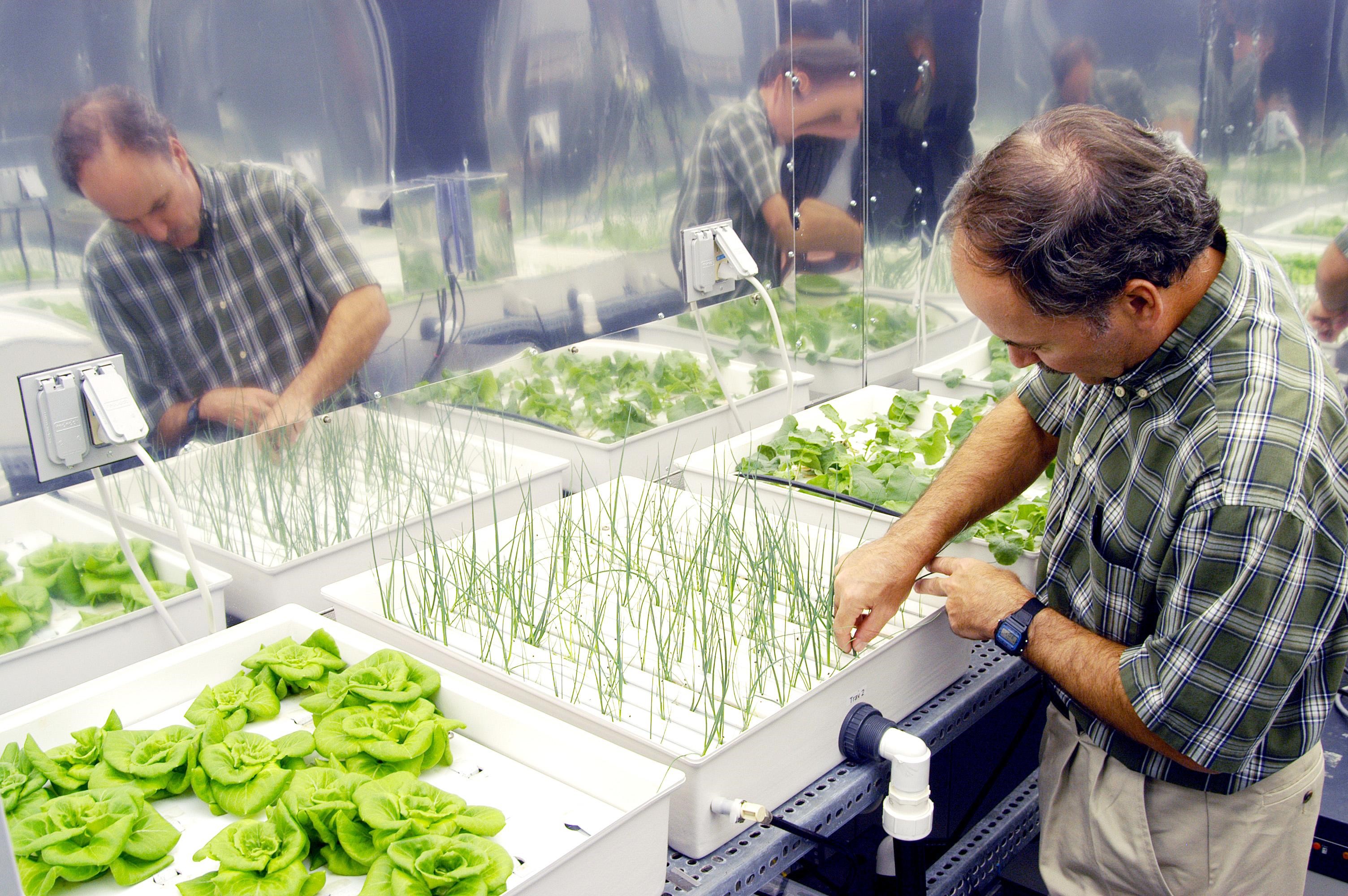
Nutrient solutions are the lifeblood of hydroponic systems, providing plants with the essential minerals and nutrients needed for growth. These solutions can be tailored to specific plant requirements, taking into account factors such as pH levels, nutrient ratios, and micronutrient availability. With the right nutrient solution, hydroponic growers can optimize crop yields, improve plant health, and reduce environmental impact. The development of nutrient solutions has been shaped by pioneers like Dr. Howard Reservoir, who introduced the concept of balanced nutrient formulas. Today, companies like General Hydroponics and Botanicare offer a range of nutrient solutions, from organic and synthetic blends to customized formulations for specific crops. As the hydroponics industry continues to evolve, the importance of nutrient solutions will only continue to grow, with ongoing research and development focused on creating more efficient, sustainable, and effective formulations.
🌱 Introduction To Nutrient Solutions
Introduction to nutrient solutions — Hydroponic nutrient solutions have been around since the early 20th century, with the first commercial formulations emerging in the 1950s. These early solutions were often based on fish emulsion and other organic matter, but as the industry evolved, so did the development of more sophisticated and targeted formulations. Today, nutrient solutions are available in a wide range of formats, from powdered concentrates to liquid suspensions, and can be tailored to specific plant requirements. For example, cannabis cultivation requires a unique set of nutrients, which companies like Advanced Nutrients have developed specialized solutions for.
⚙️ How Nutrient Solutions Work
How nutrient solutions work — At their core, nutrient solutions provide plants with the essential minerals and nutrients needed for growth, including nitrogen, phosphorus, potassium, and a range of micronutrients. These solutions can be delivered through a variety of methods, including drip irrigation, flood and drain, and aeroponics. The key to effective nutrient solution delivery is finding the right balance of nutrients, pH, and other factors to support optimal plant growth. This is where companies like Hydrofarm come in, offering a range of products and solutions to help growers optimize their nutrient delivery systems.
📊 Key Components And Ratios
Key components and ratios — A typical hydroponic nutrient solution will include a range of macro- and micronutrients, including nitrogen, phosphorus, potassium, calcium, magnesium, sulfur, and a range of trace elements like iron, zinc, and boron. The ideal ratio of these nutrients will vary depending on the specific crop being grown, as well as factors like climate, water quality, and growing medium. For example, tomato cultivation requires a higher ratio of potassium to support fruit growth, while leafy greens require more nitrogen for leaf development. Companies like Dyna-Gro offer pre-formulated nutrient solutions that cater to these specific needs.
👥 Key Players And Innovators
Key players and innovators — The development of nutrient solutions has been shaped by a range of innovators and companies, from Dr. Howard Reservoir to General Hydroponics. Today, companies like Botanicare and Advanced Nutrients are pushing the boundaries of nutrient solution development, with a focus on sustainability, efficiency, and customization. For instance, Botanicare has developed a line of organic nutrient solutions that cater to the growing demand for sustainable and eco-friendly products.
🌍 Environmental Impact And Sustainability
Environmental impact and sustainability — As the hydroponics industry continues to grow, so too does the importance of sustainability and environmental impact. Nutrient solutions play a critical role in this, with many formulations now designed to minimize waste, reduce energy consumption, and promote water conservation. Companies like Urban Farm are leading the charge, with a focus on closed-loop systems and minimal environmental footprint. By adopting sustainable practices and products, growers can reduce their environmental impact while maintaining optimal crop yields.
⚡ Current Trends And Developments
Current trends and developments — The hydroponics industry is constantly evolving, with new technologies, products, and innovations emerging all the time. In the world of nutrient solutions, some of the current trends include the development of organic nutrient solutions, customized nutrient formulations, and precision agriculture techniques. Companies like Precision Horticulture are at the forefront of these developments, offering cutting-edge solutions for growers looking to optimize their operations.
🤔 Challenges And Controversies
Challenges and controversies — Despite the many benefits of nutrient solutions, there are also challenges and controversies to consider. One of the main concerns is the potential for over-fertilization, which can lead to environmental pollution and harm to human health. Additionally, the use of synthetic fertilizers has been linked to a range of negative impacts, from soil degradation to water pollution. To mitigate these risks, growers can adopt best practices such as regular water testing and careful nutrient application. Companies like Eco-Cycle offer eco-friendly solutions that minimize waste and promote sustainable practices.
🔮 Future Outlook And Predictions
Future outlook and predictions — As the hydroponics industry continues to grow and evolve, the importance of nutrient solutions will only continue to increase. Some of the predicted trends and developments include the increased use of artificial intelligence and machine learning to optimize nutrient delivery, as well as the development of more sustainable and efficient formulations. Companies like Hydroponic Innovations are already exploring these possibilities, with a focus on creating more precise and targeted nutrient solutions.
💡 Practical Applications And Tips
Practical applications and tips — For growers looking to get the most out of their nutrient solutions, there are a range of practical tips and applications to consider. These include regular water testing, careful pH management, and the use of pH adjusters to maintain optimal growing conditions. Additionally, growers can benefit from using nutrient reservoirs to minimize waste and reduce the risk of over-fertilization. By following these best practices and adopting the right products and solutions, growers can optimize their nutrient delivery systems and achieve optimal crop yields.
Key Facts
- Year
- 2023
- Origin
- Global
- Category
- hydroponics-tech
- Type
- concept
Frequently Asked Questions
What is the ideal pH range for hydroponic nutrient solutions?
The ideal pH range for hydroponic nutrient solutions is between 5.5 and 6.5, although this can vary depending on the specific crop being grown. For example, tomato cultivation requires a slightly higher pH range, while leafy greens prefer a more acidic environment. Growers can use pH adjusters to maintain optimal growing conditions.
How often should I change my hydroponic nutrient solution?
The frequency of changing your hydroponic nutrient solution will depend on a range of factors, including the type of crop being grown, the size of the system, and the level of water circulation. As a general rule, it's recommended to change the nutrient solution every 1-2 weeks, or as needed based on water testing and plant performance. Companies like Hydrofarm offer products and solutions to help growers optimize their nutrient delivery systems.
What are the benefits of using organic nutrient solutions in hydroponics?
The benefits of using organic nutrient solutions in hydroponics include reduced environmental impact, improved soil health, and increased crop yields. Organic nutrient solutions are also less likely to contribute to water pollution and can help to promote a more balanced and diverse ecosystem. Companies like Botanicare offer a range of organic nutrient solutions that cater to the growing demand for sustainable and eco-friendly products.
How can I customize my hydroponic nutrient solution for specific crops?
Customizing your hydroponic nutrient solution for specific crops can be done by adjusting the ratio of macro- and micronutrients, as well as the pH and other factors. For example, cannabis cultivation requires a unique set of nutrients, which companies like Advanced Nutrients have developed specialized solutions for. Growers can also use nutrient reservoirs to minimize waste and reduce the risk of over-fertilization.
What are the most common mistakes to avoid when using hydroponic nutrient solutions?
Some of the most common mistakes to avoid when using hydroponic nutrient solutions include over-fertilization, under-fertilization, and failure to maintain optimal pH levels. Growers should also be careful to avoid using contaminated water sources and should regularly test their nutrient solution to ensure optimal plant growth. By following best practices and adopting the right products and solutions, growers can optimize their nutrient delivery systems and achieve optimal crop yields.
How can I reduce waste and minimize environmental impact when using hydroponic nutrient solutions?
Reducing waste and minimizing environmental impact when using hydroponic nutrient solutions can be achieved by using nutrient reservoirs, implementing closed-loop systems, and adopting sustainable practices such as regular water testing and careful nutrient application. Companies like Eco-Cycle offer eco-friendly solutions that minimize waste and promote sustainable practices. By adopting these strategies, growers can reduce their environmental footprint while maintaining optimal crop yields.
What are the latest trends and developments in hydroponic nutrient solutions?
Some of the latest trends and developments in hydroponic nutrient solutions include the use of artificial intelligence and machine learning to optimize nutrient delivery, as well as the development of more sustainable and efficient formulations. Companies like Hydroponic Innovations are already exploring these possibilities, with a focus on creating more precise and targeted nutrient solutions. By staying up-to-date with the latest trends and developments, growers can stay ahead of the curve and optimize their operations for maximum efficiency and sustainability.